
Education
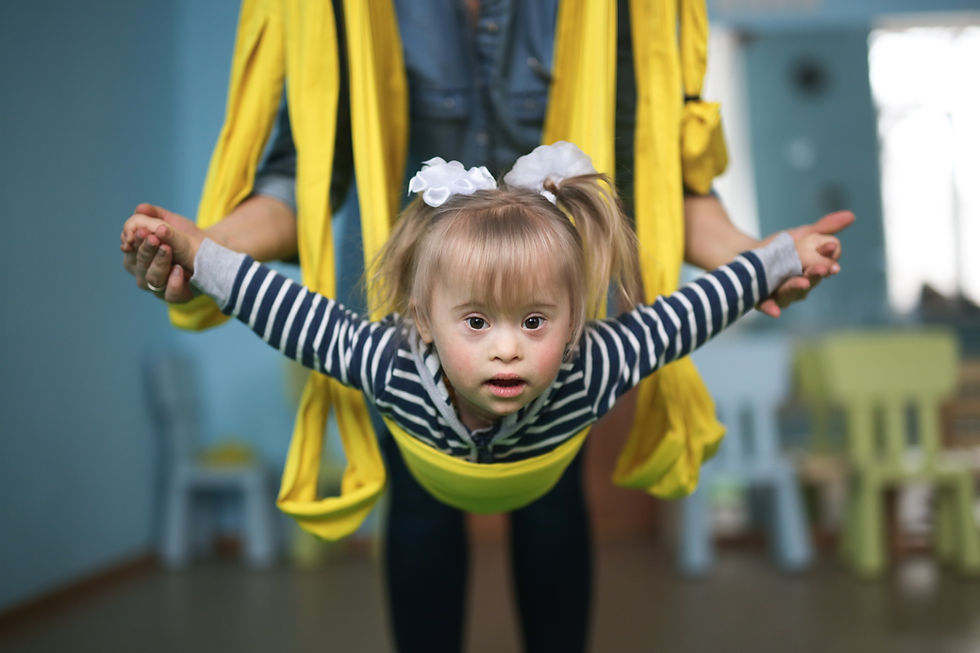
Sensory experiences can help children get the type of sensory input they seek or need. For children with sensory-processing challenges, this can support participation in everyday activities.

Manipulating, squeezing, pinching, pulling and turning objects exercises hand and finger movements. A 2026 meta-analysis of 23 randomized controlled trials found sensory-integration therapy produced a statistically significant improvement in children’s motor skills.
The 2026 meta-analysis of 23 randomized controlled trials also found significant improvements in daily functioning and individualized goals following sensory-integration therapy.

Research on children with sensory-processing challenges has found improvements in areas of self-regulation with certain cognitive and occupation-based interventions.


A recent systematic review found strong evidence for Ayres Sensory Integration (ASI) in individual goal attainment and occupational performance, with moderate evidence for improvements in daily living/self-care and social, communication and play skills.
For some children, having something appropriate to manipulate can provide needed movement while they participate in another activity.
